The best kayak life jackets combine an approved 70N/USCG Type III buoyancy aid with a low-profile back, unrestricted arm movement, useful storage, and enough ventilation for the way you actually paddle.
For most recreational kayakers, the NRS Ninja is the strongest all-around choice: its compact back design suits many kayak seats, while the sleeveless cut and adjustable torso provide good mobility. Choose the Astral V-Eight for hot-weather ventilation, the NRS cVest for touring storage, or the Onyx MoveVent Dynamic when value and broad adjustability matter more than a minimalist fit.
Our top picks
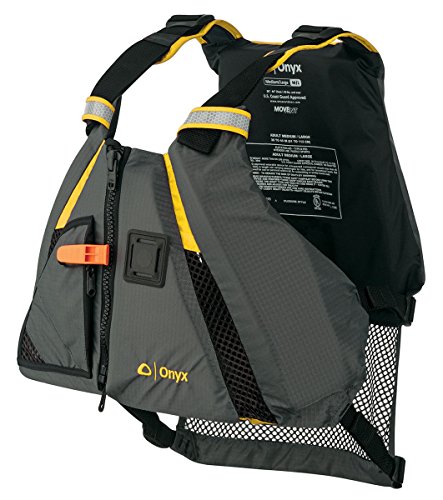 Onyx MoveVent Dynamic Paddle Vest Adult Life
- Dual U.S
- Mesh ventilation panels in front and back for…
- Adjustable side belts and shoulder straps, with comfortable…
 JKSPORTS Fly Fishing Vest Fishing Safety Life
- Crafted with a premium ripstop polyester shell and…
- Low profile, paddle specific foam design Pockets designed…
- Four generous chest pocket, four zipped front pockets,…
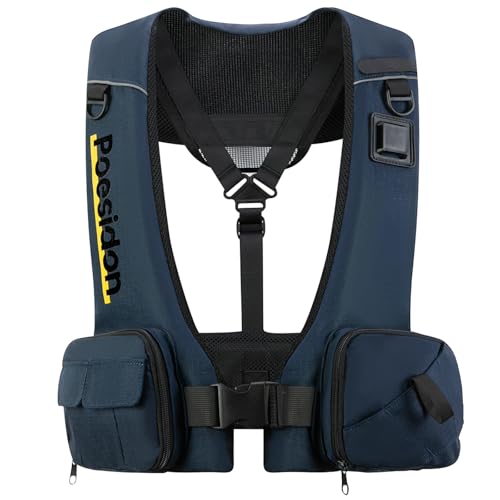 Poesidon Adjustable Lightweight Breathable Water Safety Life
- 1、Poesidon Multi-Functional Water Vest
- 2、Comprehensive Safety Protection Vest
- 3、10-Second Quick-Release System
| Product | Key specs | |
|---|---|---|
| Onyx MoveVent Dynamic Paddle Vest Adult Life | Dual U.S Mesh ventilation panels in front and back for… Adjustable side belts and shoulder straps, with comfortable… | Check price |
| JKSPORTS Fly Fishing Vest Fishing Safety Life | Crafted with a premium ripstop polyester shell and… Low profile, paddle specific foam design Pockets designed… Four generous chest pocket, four zipped front pockets,… | Check price |
| Poesidon Adjustable Lightweight Breathable Water Safety Life | 1、Poesidon Multi-Functional Water Vest 2、Comprehensive Safety Protection Vest 3、10-Second Quick-Release System | Check price |
 Multifunctional Kayak Life Jackets for Adults | Crafted with a premium ripstop polyester shell and… Mesh on the back and mesh fabric inside… Open sides leave you with more room to… | Check price |
As an Amazon Associate we earn from qualifying purchases at no extra cost to you.
Quick comparison: best kayak life jackets by situation
| Situation | Best match | Why it fits the use case | Trade-off |
|---|---|---|---|
| General recreational paddling | NRS Ninja | Low-profile back, flexible fit, sleeveless arm openings | Less storage than a touring vest |
| Warm climates and high-output paddling | Astral V-Eight | Highly ventilated construction and a relatively light, flexible feel | Minimal pocket capacity |
| Day touring and kayak fishing | NRS cVest | Multiple pockets and attachment points for safety equipment | Bulkier front than a minimalist recreational vest |
| Budget-conscious beginners | Onyx MoveVent Dynamic | Adjustable entry-level design with good torso coverage | Less refined ventilation and pocket organization |
| Whitewater or aggressive maneuvering | Astral GreenJacket | Secure rescue-oriented design and robust construction | Too substantial for casual flat-water use |
What matters when choosing among the best kayak life jackets?
Approved buoyancy comes first
Look for a properly labeled, approved personal flotation device for your location and activity. In the United States, many kayak life jackets are US Coast Guard-approved Type III devices. Their buoyancy is commonly around 15.5 to 16 pounds of minimum flotation, although the label and model approval are the final authority. European and other regional standards use different classifications, often including 50N or 70N buoyancy categories.
A buoyancy number is not a promise that every wearer will float face-up. Type III-style kayak vests are designed for comfort and active use, so they generally require the wearer to help maintain a safe position. Weak swimmers, children, and anyone paddling offshore should choose equipment and instruction appropriate to their risk level rather than relying on a vest label alone.
Back-panel thickness can decide comfort
Kayak seats place pressure directly behind the lower and middle back. A life jacket with thick foam extending far down the back may push you forward, interfere with a high seatback, or cause soreness after several hours. Low-profile kayak designs move much of the flotation upward or around the sides, leaving more room for the seat.
Before buying, measure the height of your kayak seatback and compare it with the vest’s rear foam layout. A vest can be comfortable while standing in a shop yet feel restrictive once you are seated with your hips bent and your torso rotating.
Arm mobility beats extra features
Reach forward, rotate your shoulders, and imitate a paddle stroke while wearing the vest. The arm openings should not cut into your armpits, and the front panels should not rise toward your chin. Six adjustment points or more can help distribute tension, but adjustment straps only work when the torso length is correct.
For touring, a slightly snug vest that stays in place is preferable to a loose vest with maximum movement. Excessive looseness allows the jacket to ride up and can make repeated strokes uncomfortable.
Ventilation matters more than it appears
Mesh panels, perforated foam, and open lower-back sections reduce trapped heat. The Astral V-Eight is particularly appealing for warm conditions because its design prioritizes airflow. The NRS Ninja also offers a less enclosed feel than many conventional recreational vests.
Ventilation is a compromise: more open material usually means fewer large pockets and less complete torso coverage. If you paddle in cool water, at dawn, or in windy conditions, a highly ventilated vest may need to be paired with suitable clothing rather than treated as insulation.
Head-to-head: the leading choices
NRS Ninja: best balance for most kayakers
The NRS Ninja is built around the requirements that make a kayak vest comfortable: a relatively low-profile back, broad arm openings, and multiple adjustment points. It is a good fit for recreational paddlers who alternate between short outings and full-day trips but do not need a large expedition pocket.
Its main limitation is storage. The front pocket is useful for compact essentials, but it is not a substitute for a deck bag or dry pouch. Size selection is also important because torso fit affects both comfort and flotation position.
Astral V-Eight: best for hot-weather comfort
The Astral V-Eight emphasizes airflow and a light, flexible feel. It suits paddlers who perspire heavily, kayak in warm climates, or dislike the enclosed sensation of traditional foam vests. Its low-bulk profile is also helpful when the kayak seat is upright and close to the back.
Choose it for movement and ventilation rather than cargo capacity. A phone, whistle, and small safety item may fit, but longer tours still call for separate storage.
NRS cVest: best for touring organization
The NRS cVest adds practical storage without becoming a full rescue vest. Its pockets and attachment points make it easier to keep a whistle, signaling device, compact snack, or small communication device immediately accessible. That can be more useful on a remote day trip than a lighter vest with no organization.
The additional fabric and pocket structure can feel warmer and more noticeable than the Ninja or V-Eight. Check that the front pocket does not interfere with your spray skirt, paddle shaft, or torso rotation.
Onyx MoveVent Dynamic: best lower-cost starting point
The Onyx MoveVent Dynamic is a sensible choice for occasional recreational paddling when you want an adjustable, readily available vest without paying for specialized touring features. Its design provides useful ventilation and broad fit adjustment.
It is less compelling for frequent, technical, or multi-hour paddling if the fit leaves pressure points or the back panel conflicts with your seat. At this price level, careful fitting matters more than the number of advertised features.
Fit checklist: five minutes that prevents a poor purchase
- Measure your chest. Use a tape around the fullest part of your chest while wearing the base layer you normally paddle in. Compare the result with the manufacturer’s chest range, not with your shirt size.
- Put the vest on over paddling clothing. Tighten the waist and side straps evenly, leaving enough room for normal breathing and torso rotation.
- Perform the tug test. Have another person pull upward firmly on the shoulder sections. The vest should not slide over your chin or significantly ride up over your ribs.
- Sit in your kayak. Check the lower back, shoulder straps, spray skirt, and seatback. A comfortable standing fit is not enough.
- Paddle for at least ten minutes. Look for rubbing at the neck and armpits, strap pressure, heat buildup, and front-pocket interference.
As a practical fit example, someone with a 39-inch chest should not automatically select a medium simply because the garment normally worn is medium. If the manufacturer lists a medium as 36–40 inches and a large as 40–44 inches, the medium may provide the closer fit—but only if it remains comfortable over the intended clothing and passes the tug test. Never size down so aggressively that breathing or layering becomes restricted.
Ownership realities: what wears out first?
- Straps and buckles: Repeated tightening, sand, and salt can abrade webbing and make buckles difficult to operate.
- Foam: Creased, crushed, or waterlogged flotation is a replacement warning. Do not cut or reshape the foam.
- Fabric and stitching: Shoulder areas and pocket openings receive the most rubbing from paddles, roof racks, and frequent loading.
- Reflective details: Sun exposure and abrasion can reduce visibility features before the vest looks badly worn.
After each trip, rinse the vest with fresh water, especially after saltwater use. Hand-wash it with mild soap when needed, allow it to dry fully in shade, and store it loosely rather than compressed under equipment. Do not machine-dry, iron, bleach, or leave it inside a hot vehicle. A life jacket is not a permanent item: replace it when flotation, stitching, hardware, or fit has deteriorated, and follow the manufacturer’s inspection guidance.
Bottom line
The NRS Ninja is the best kayak life jacket for the broadest range of paddlers because it balances low-back bulk, mobility, and adjustability. Pick the Astral V-Eight when ventilation is your priority, the NRS cVest when accessible storage matters, and the Onyx MoveVent Dynamic for occasional use on a tighter budget. Whichever model you choose, an approved label, secure fit, compatible seatback, and comfortable arm movement matter more than extra pockets or a lower price.
More from Amazon
Programs that pair well with the guide above. Offers and eligibility are set by Amazon and may change.
Free shipping on eligible items, Prime Video and more. Eligible new members can start with a free trial.
Start a Prime free trialAd-free music streaming. Eligible new subscribers can start with a free trial.
Try Music Unlimited freeA Prime membership for ages 18-24 with a trial period. Eligibility is set by Amazon.
See Prime for Young AdultsAudiobooks and podcasts to listen to on the go. Eligible new members can start with a free trial.
Try Audible freeAs an Amazon Associate we earn from qualifying purchases.