Our Short List of 3
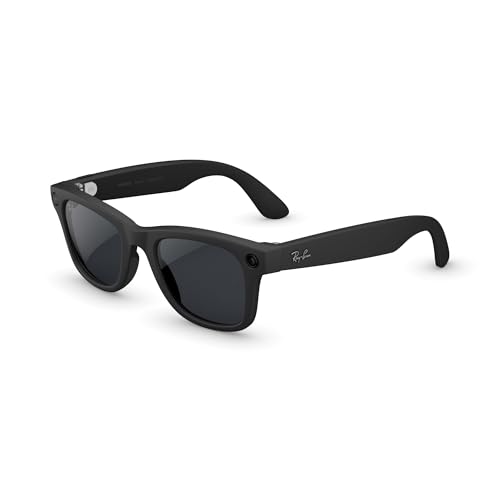
- Best for: everyday hands-free photos, video and AI questions
- Camera: 12 MP ultra-wide
- Video: up to 3K resolution
- Audio: open-ear speakers with a five-microphone array
- Battery: up to 8 hours of typical use; charging case adds up to 48 hours
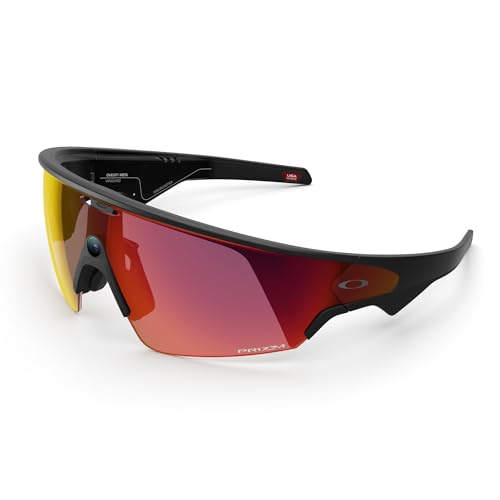
- Best for: cyclists, runners and skiers who record training sessions
- Camera: 12 MP with a 122-degree ultra-wide field of view
- Video: 3K
- Audio: open-ear speakers, Bluetooth
- Water resistance: IP67, rated for sweat, dust and weather

- Best for: handheld gaming and a portable second screen for a laptop
- Display: 171-inch virtual screen, FHD, 120Hz
- Field of view: 57 degrees
- Chip and tracking: X1 chip with native 3 DoF
- Audio: Sound by Bose
All 5 Picks at a Glance
| Product | Specs | Action |
|---|---|---|
| Ray-Ban Meta Wayfarer (Gen 2) |
| Check price on Amazon |
| Oakley Meta Vanguard |
| Check price on Amazon |
| XREAL One Pro |
| Check price on Amazon |
 RayNeo Air 3s Pro |
| Check price on Amazon |
 Amazon Echo Frames (3rd Gen) |
| Check price on Amazon |
Key takeaways
- Compare the best smart glasses for hands-free photos, open-ear audio and wearable big screens, including camera picks, sport frames and Alexa glasses.
Smart glasses split into three camps that solve different problems: camera glasses that shoot from your eye line, audio glasses that replace earbuds for calls and voice assistants, and display glasses that hang a huge virtual screen in front of you. Buying the wrong camp is the most common mistake, because a brilliant movie display makes a poor all-day companion, while camera frames cannot show you a film at all.
This guide compares five pairs you can buy on Amazon right now, covering commuters who want hands-free photos, athletes who record training sessions, Alexa households that prefer a camera-free frame, and gamers or frequent flyers who want a private big screen. Every pick was chosen from its Amazon listing details, including camera resolution, display size, battery figures and frame weight.
Quick Picks
As an Amazon Associate we earn from qualifying purchases
| Product | Best for | Key spec from title |
|---|---|---|
| Ray-Ban Meta Wayfarer (Gen 2) | Everyday hands-free photos and video | 12 MP camera with 3K video |
| Oakley Meta Vanguard | Recording rides, runs and training | 12 MP camera in an IP67 sport frame |
| XREAL One Pro | Big-screen handheld and laptop gaming | 171-inch 120Hz display, 57-degree view |
| RayNeo Air 3s Pro | Movies and console games while travelling | 201-inch 120Hz HueView display |
| Amazon Echo Frames (3rd Gen) | Alexa and calls with no camera at all | Open-ear audio in a 39.7 gram frame |
How to Choose
Decide What the Glasses Should Do
Start with the job, not the brand. Camera glasses such as the Ray-Ban Meta and Oakley Meta lines put a lens and microphones in the frame for photos, video and an AI assistant, but they show you nothing. Display glasses from XREAL and RayNeo do the opposite: they project a large virtual screen and carry no camera for everyday capture. Audio-only frames like Echo Frames sit between the two, handling calls and a voice assistant while leaving your view completely untouched. Picking the wrong type is the one error no amount of spec comparison can fix later.
Match Battery Life to Your Day
Standalone camera and audio glasses carry their own batteries, so their runtime figures decide whether they survive your routine. The Ray-Ban Meta Gen 2 is rated for up to eight hours of typical use, and its charging case adds up to 48 more, which covers a long weekend. Echo Frames recharge fully in about two and a half hours on their stand. Tethered display glasses work differently: the XREAL One Pro and RayNeo Air 3s Pro draw power from the phone, handheld or laptop feeding them video, so the host device’s battery drains faster during long sessions.
Check Fit, Weight and Lens Options
Smart glasses sit on your face for hours, so grams matter. Echo Frames weigh 39.7 grams, close to ordinary eyewear, while the Oakley Meta Vanguard is 2.3 ounces and wraps tighter for sport. Display glasses add a fit variable the others lack: interpupillary distance. The XREAL One Pro comes in size M for 57 to 66 mm and size L for 66 to 75 mm, and choosing outside your range blurs the screen edges. Also check the lens fitted to the exact listing, because Transitions, polarized and clear versions of the same frame behave very differently indoors and in bright sun.
Confirm Phone and App Requirements
None of these glasses work entirely alone. The Meta models need a compatible Android or iPhone, the Meta AI app and a Meta account, and some AI features are limited by country and language. Echo Frames pair with the Alexa app and support multipoint Bluetooth, so they can stay connected to a phone and a laptop at once. Display glasses need a device that outputs video over USB-C with DisplayPort alt mode; most recent phones, handhelds and laptops qualify, but older HDMI-only gear needs a separate adapter that is rarely in the box.
The 5 Best Options
Ray-Ban Meta Wayfarer (Gen 2)
- Best for: everyday hands-free photos, video and AI questions
- Camera: 12 MP ultra-wide
- Video: up to 3K resolution
- Audio: open-ear speakers with a five-microphone array
- Battery: up to 8 hours of typical use; charging case adds up to 48 hours
everyday hands-free photos, video and AI questions
it needs the Meta AI app, a Meta account and a compatible phone, and some AI features vary by country and language
The Wayfarer Gen 2 is the default recommendation for buyers who want smart features without announcing them. The frame looks like ordinary Ray-Bans, yet it hides a 12 megapixel ultra-wide camera that records 3K video from exactly where you are looking, open-ear speakers for music and calls, and a five-microphone array for voice commands. Battery life doubled over the first generation, and the case keeps the glasses topped up between wears. Choose it if your main goal is capturing daily life and asking an assistant questions hands-free.
Oakley Meta Vanguard
- Best for: cyclists, runners and skiers who record training sessions
- Camera: 12 MP with a 122-degree ultra-wide field of view
- Video: 3K
- Audio: open-ear speakers, Bluetooth
- Water resistance: IP67, rated for sweat, dust and weather
cyclists, runners and skiers who record training sessions
the snug sport fit will not suit every face, and Prizm lens options differ between listings, so confirm the exact variant before ordering
The Vanguard takes the same Meta camera platform and rebuilds it for sport. The wrap frame is rated IP67 against sweat, dust and weather, the Prizm lens is shaped for contrast on the road or trail, and the 12 megapixel camera sees a 122-degree ultra-wide field of view, so a ride or run is captured without aiming your head precisely. At 2.3 ounces it is heavier than the Wayfarer, but the secure fit keeps it planted during movement. Pick it when the glasses will spend more time training than sitting at a desk.
XREAL One Pro
- Best for: handheld gaming and a portable second screen for a laptop
- Display: 171-inch virtual screen, FHD, 120Hz
- Field of view: 57 degrees
- Chip and tracking: X1 chip with native 3 DoF
- Audio: Sound by Bose
handheld gaming and a portable second screen for a laptop
it is tethered only, and the host device powers the glasses, so verify your phone or handheld outputs video over USB-C
The One Pro is a wearable monitor rather than a camera. Its X-Prism optics project a 171-inch virtual screen at 120Hz with a 57-degree field of view, the widest in this guide, and the built-in X1 chip handles native 3 DoF tracking so the image stays steady while you move your head. Sound by Bose tuning covers games and films without earbuds. It connects over USB-C to phones, Steam Deck and ROG handhelds, Macs and PCs. Choose it if a private, large screen for gaming or work matters more than capturing the world.
RayNeo Air 3s Pro
- Best for: films and console gaming on planes, trains and sofas
- Display: 201-inch virtual screen, FHD HueView, 120Hz
- Field of view: 46 degrees
- Audio: built-in speakers
- Weight: 76 grams
films and console gaming on planes, trains and sofas
HDMI-only sources need a separate adapter, and prescription wearers should plan on the optional lens insert route
The Air 3s Pro undercuts the XREAL on commitment while keeping the cinema idea intact. It projects a 201-inch virtual screen at 120Hz through its HueView display, connects over USB-C to phones, Macs, Switch consoles, PS5 and Steam Deck, and weighs 76 grams, light enough for a full film. Built-in speakers mean no extra earbuds on a flight. It lacks the One Pro’s on-board tracking chip, so the screen follows your head rather than anchoring in space. For travellers who mostly watch video and play flat games, that trade is easy to accept.
Amazon Echo Frames (3rd Gen)
- Best for: calls, reminders and Alexa in camera-free workplaces
- Camera: none; audio-only design
- Audio: open-ear speakers with Alexa built in and multipoint Bluetooth
- Frame: Modern Rectangle, 57-16-147 mm
- Weight: 39.7 grams
calls, reminders and Alexa in camera-free workplaces
there is no camera or display at all, and prescription lenses have to be fitted separately after purchase
Echo Frames are the discreet option: there is no camera and no display, just open-ear speakers, microphones and Alexa in a frame that weighs 39.7 grams. That makes them welcome in offices and other places where camera glasses raise eyebrows, while still handling calls, reminders, music and smart-home control by voice. Multipoint Bluetooth keeps them paired to a phone and a computer together. The box includes a carrying case, cleaning cloth and charging stand. Pick them if your smart-glasses job is listening and asking, not recording or viewing.
Which One Fits Your Situation
You Record Your Commute, Rides or Workouts
Choose between the two Meta camera models by fit. The Ray-Ban Meta Wayfarer Gen 2 suits walking, travel and everyday filming in a frame that passes as normal eyewear. The Oakley Meta Vanguard is the better tool once sweat, rain and vibration enter the picture, thanks to its IP67 rating, wrap fit and wide 122-degree lens.
You Want a Private Screen for Flights and Gaming
The XREAL One Pro is the stronger pick for gamers, with its 57-degree field of view, 120Hz panel and head-tracked image. The RayNeo Air 3s Pro serves film fans and console players who mainly sit still; its 201-inch picture and lighter frame make long viewing sessions easy, and it leaves more of your budget for the trip itself.
You Take Calls All Day but Cannot Wear a Camera
Echo Frames are built for this constraint. With no lens anywhere on the frame, they avoid the privacy questions camera glasses trigger in offices, clinics and schools, while Alexa, multipoint pairing and open-ear speakers keep calls and reminders flowing. At 39.7 grams they are also the pair you are most likely to forget you are wearing.
You Already Wear Prescription Glasses
Check each model’s lens route before buying. Echo Frames are prescription ready through an optician, the Meta lines offer prescription configurations on their listings, and the display glasses rely on magnetic or fitted inserts sold for your prescription. Factor that extra step into your timeline, because none of these five pairs is at its best worn over a second set of glasses.
Common Mistakes
- Buying display glasses and expecting a camera or an AI assistant, when tethered models like the XREAL and RayNeo only show video from a connected device
- Ignoring the interpupillary distance range on display glasses, which leaves the edges of the virtual screen blurry no matter how you adjust the nose pads
- Skipping the companion app check, then discovering the Meta AI app, a Meta account or the Alexa app is required before the glasses do anything smart
- Choosing a dark sunglass lens variant for indoor desk work, or a clear lens variant for bright outdoor recording
- Forgetting that a tethered display drains the host phone or handheld battery, which shortens gaming sessions away from a charger
Frequently Asked Questions
Do smart glasses need a phone to work?
Mostly, yes. Camera and audio models pair with a phone app for setup, settings and their voice assistant, and the Meta glasses also require a Meta account. Display glasses need a phone, handheld or computer feeding them video over USB-C. Basic playback can continue once connected, but expect the phone to stay involved.
Can smart glasses be fitted with prescription lenses?
Usually, yes, through different routes. Echo Frames are prescription ready and can be glazed by an optician, Meta sells prescription configurations of its frames, and XREAL and RayNeo glasses use prescription inserts that sit behind the display optics. Check the exact listing and insert options for your model before ordering to avoid returns.
How long do smart glasses batteries last?
It depends on the type. The Ray-Ban Meta Gen 2 is rated for up to eight hours of typical use, with its case adding up to 48 hours more. Echo Frames recharge in about two and a half hours on their stand. Tethered display glasses have no runtime of their own because the connected device powers them.
Are camera glasses allowed in workplaces and gyms?
Rules vary by employer and venue, and some workplaces, gyms and schools restrict or ban camera wearables entirely. The recording light on Meta glasses signals capture, but it does not override a local policy. If your workplace is camera-sensitive, a camera-free model such as Echo Frames avoids the problem altogether while keeping calls and voice control.
More from Amazon
Programs that pair well with the guide above. Offers and eligibility are set by Amazon and may change.
Free shipping on eligible items, Prime Video and more. Eligible new members can start with a free trial.
Start a Prime free trialAd-free music streaming. Eligible new subscribers can start with a free trial.
Try Music Unlimited freeA Prime membership for ages 18-24 with a trial period. Eligibility is set by Amazon.
See Prime for Young AdultsAudiobooks and podcasts to listen to on the go. Eligible new members can start with a free trial.
Try Audible freeAs an Amazon Associate we earn from qualifying purchases.