Our Short List of 3
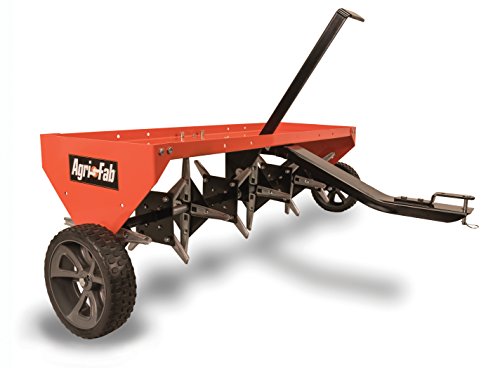
- Working width: 48 inches
- Coring knives: 32 galvanized steel knives
- Plug size: Up to 3 inches long, 3/4 inch in diameter, per the maker
- Weight tray capacity: Up to 175 lb of added ballast
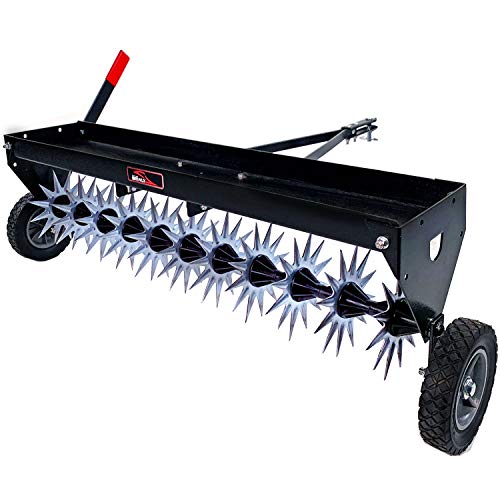
- Working width: 40 inches
- Tines: Galvanized steel 3D tines
- Penetration depth: Up to 2 inches, per the maker
- Transport wheels: Included, for crossing hard surfaces with the tines raised

- Working width: 16 inches
- Spike wheels: 5 aerating discs, 7-inch diameter
- Aeration depth: Up to 2.5 inches, per the maker
- Weight tray: Steel tray for added ballast
All 5 Picks at a Glance
| Product | Specs | Action |
|---|---|---|
| 1. Agri-Fab 45-0299 48-Inch Tow Plug Aerator — The Wide Tow-Behind Core Pick |
| Check price on Amazon |
| 2. Brinly SAT2-40BH-P Tow Behind Spike Aerator, 40-Inch — The Tow Spike Pick |
| Check price on Amazon |
| 3. Agri-Fab 45-0365 Push Spike Aerator, 16-Inch — The Walk-Behind Roller |
| Check price on Amazon |
 4. Yard Butler ID-6C Manual Lawn Coring Aerator — The Step-On Hand Tool |
| Check price on Amazon |
 5. Ohuhu Lawn Aerator Shoes — The Strap-On Spot Pick |
| Check price on Amazon |
Our Top Picks
As an Amazon Associate we earn from qualifying purchases.
Soil compaction is the quiet reason an otherwise well-kept lawn thins out. Foot traffic, mower passes, and heavy rain gradually squeeze the pore space out of the top few inches of soil, and once that happens, water runs off instead of soaking in, fertilizer sits on the surface, and roots stay shallow because there is nowhere for them to go. Aeration fixes the structure rather than the symptoms: it opens channels through that compacted layer so air, water, and nutrients can reach the root zone again. The five tools in this guide cover the main formats a homeowner can buy, from a 48-inch tow-behind plug aerator that pulls real soil cores behind a lawn tractor, down to strap-on aerator shoes for spot work. Every figure below comes from the makers’ own listing information.
Disclosure: This article contains affiliate links. If you make a purchase through these links, we may earn a commission at no extra cost to you.
Our top picks
How to Choose a Lawn Aerator
Understand the plug-versus-spike difference before anything else. A plug aerator, also called a core aerator, uses hollow tines or spoons to pull small cylinders of soil out of the ground and deposit them on the surface. Because soil is physically removed, the walls of each hole have room to relax inward, which is what actually relieves compaction. A spike aerator uses solid tines that punch holes by pushing soil aside and downward. That leaves no plugs to look at, but in heavy clay or already hard ground the displaced soil has nowhere to go, and the hole walls can end up denser than the surrounding soil — the tool can worsen the very compaction it was meant to fix. Spikes are reasonable for light, sandy, or mildly compacted lawns and as a preparation pass before overseeding; for genuinely compacted ground, a plug design is the honest recommendation, and two of the five formats below remove cores while the other three perforate.
Match the format to your lawn size and what you already own. Tow-behind models like the Agri-Fab plug aerator and the Brinly spike aerator need a lawn tractor, riding mower, or ATV with a hitch pin, and they earn their keep on larger, open lawns where a 40- or 48-inch swath cuts the job down to a handful of passes. A walk-behind rolling spike aerator such as the smaller Agri-Fab needs no vehicle and suits small to midsize yards. A step-on hand coring tool is slow by design and suits small lawns, bare patches, and high-traffic strips beside paths and gates. Aerator shoes are the lightest option, but each step covers one foot’s worth of ground, so they belong to spot work and very small areas.
Look at working depth, not just width. Makers state depth figures in their listings, and they differ by type. The tow plug aerator below pulls plugs up to three inches long, reaching through the compacted upper root zone on most lawns. Tow and push spike models state depths around two to two and a half inches, and the hand coring tool removes three-inch plugs one step at a time. Depth is not automatic: it depends on soil moisture and on how much weight presses the tines down, which leads to the next point.
Check the weight tray before you buy. Most tow-behind and push aerators are deliberately sold light and rely on ballast you add. The Agri-Fab plug aerator’s tray accepts up to 175 pounds, and the push spike model carries a steel weight tray for the same purpose; concrete blocks and sandbags are the usual ballast. If your soil is hard, tray capacity is the difference between tines that penetrate to their stated depth and tines that skate across the surface. Transport design matters alongside it — a cantilever handle or transport wheels let you lift the tines clear to cross a driveway or path without gouging it.
Aerate on the soil’s schedule, not yours. Every format works better in moist ground. Yard Butler’s own guidance for its coring tool is to water the lawn the day before aerating, and the same advice applies across this guide: tines enter damp soil cleanly and bounce off dry, baked ground. Timing by grass type matters too — aerate when the grass is actively growing so the holes close over quickly: spring or fall for cool-season lawns, late spring through summer for warm-season lawns. Leave pulled plugs where they fall; they break down within a week or two and return soil to the surface.
1. Agri-Fab 45-0299 48-Inch Tow Plug Aerator — The Wide Tow-Behind Core Pick
- Working width: 48 inches
- Coring knives: 32 galvanized steel knives
- Plug size: Up to 3 inches long, 3/4 inch in diameter, per the maker
- Weight tray capacity: Up to 175 lb of added ballast
The Agri-Fab 45-0299 is the heavy-duty end of this guide: a 48-inch tow-behind plug aerator built around 32 galvanized steel coring knives that pull plugs three-quarters of an inch in diameter and up to three inches long. That combination of width and true core removal is what large, compacted lawns need, and because soil comes out of the ground rather than being shoved aside, the relief is real even in clay.
Penetration is driven by ballast: the weight tray over the knife wheel holds up to 175 pounds, and the design assumes you will load it with blocks or sandbags on hard ground. A cantilever transport handle raises and lowers the knives from the seat, so crossing a driveway does not mean dragging steel across concrete, and the universal hitch pins to lawn tractors and ATVs. The tires are flat-free, and assembly is required. At 48 inches wide this is not a tool for small or landscaped yards — it is for open ground and long, straight passes.
2. Brinly SAT2-40BH-P Tow Behind Spike Aerator, 40-Inch — The Tow Spike Pick
- Working width: 40 inches
- Tines: Galvanized steel 3D tines
- Penetration depth: Up to 2 inches, per the maker
- Transport wheels: Included, for crossing hard surfaces with the tines raised
Brinly’s SAT2-40BH-P takes the other approach to tow-behind aeration: instead of pulling cores, its galvanized steel 3D tines perforate the soil up to two inches deep across a 40-inch width. Brinly positions this model for lawns with minor to moderate compaction and for preparing ground ahead of seeding or fertilizing — exactly the work spike aeration suits, since the holes give seed and granules a place to lodge without leaving plugs scattered over the lawn.
The detail that separates this model from basic spike units is its set of transport wheels. Spike tines will scar concrete and asphalt if towed across a drive, so the wheels let you move between lawn sections in transport mode and drop the tines only where you want them. Keep the How to Choose limitation in mind: on severely compacted clay, solid tines push soil sideways rather than removing it, and the plug aerator above is the better tool. For routine seasonal passes on ground not yet in trouble, this is the faster, cleaner-running option.
3. Agri-Fab 45-0365 Push Spike Aerator, 16-Inch — The Walk-Behind Roller
- Working width: 16 inches
- Spike wheels: 5 aerating discs, 7-inch diameter
- Aeration depth: Up to 2.5 inches, per the maker
- Weight tray: Steel tray for added ballast
The 45-0365 shrinks the tow-behind idea down to a walk-behind tool: a 16-inch roller carrying five spiked wheels that you push across the lawn like a mower. The discs are seven inches across, and Agri-Fab states an aeration depth of up to two and a half inches. There is no engine, no motor, and nothing to hitch — your walking pace sets the coverage, making this the natural format for small to midsize lawns and anywhere a tractor cannot go.
Like its bigger sibling, this model expects ballast to do its best work. A steel weight tray sits above the roller so you can add weight and press the spikes to full depth in firm soil; without it, on dry ground, the roller tends to ride on top. The 16-inch width is a deliberate trade — more passes than a tow model, but it fits through garden gates and between beds. As a spike tool it shares the category’s caveat: it perforates rather than removes soil, so treat it as maintenance aeration for lawns in decent shape and as seedbed preparation, not as the cure for rock-hard clay.
4. Yard Butler ID-6C Manual Lawn Coring Aerator — The Step-On Hand Tool
- Tines: 2 hollow coring tines
- Plug depth: Removes plugs up to 3 inches deep, per the maker
- Overall length: 37 inches
- Construction: Powder-coated steel with cushioned grip
The Yard Butler ID-6C is the simplest machine in this guide and, hole for hole, one of the most effective. It is a 37-inch powder-coated steel tool with two hollow coring tines at the bottom and a foot bar above them. You set the tines on the ground, step on the bar, and the tool pulls two soil plugs up to three inches deep; rock it slightly, lift, and step again. There is no coverage speed at all — what you get instead is precision, placing real core holes exactly where compaction is worst: the strip by the gate, the path to the shed, the bare patch under the swing set.
Yard Butler’s own guidance is to water the lawn the day before so the tines slide in cleanly, and to leave the pulled cores on the surface, where they break down and return their soil to the lawn. The cushioned grip and the foot bar’s leverage keep the work from becoming a back exercise — this format is for small lawns and targeted repair, and it does that job with no fuel, no cord, and nothing to maintain beyond rinsing the tines. For a homeowner whose problem is three bad patches rather than a bad acre, it is the most direct tool here.
5. Ohuhu Lawn Aerator Shoes — The Strap-On Spot Pick
- Sole: Aluminum die-cast metal base
- Spike length: 2.2 inches, per the listing
- Straps: Hook-and-loop, adjustable
- Installation: Free-installation design, spikes pre-fitted
Ohuhu’s aerator shoes are sandals with teeth: an aluminum die-cast sole fitted with spikes 2.2 inches long, strapped over your own shoes with hook-and-loop fasteners. The free-installation design means the spikes arrive fitted and the straps adjust in seconds, so the routine is simply to strap them on and walk — each step punches a set of holes, and wearing them while you mow folds aeration into a pass you were making anyway. Ohuhu includes a small stainless steel shovel for scraping mud off the soles, a thoughtful touch, because caked soil is the known nuisance of this format.
Set expectations honestly. These are spike tools, so they displace soil rather than removing it, and a person’s weight drives each spike only as deep as soft ground allows; on hard, dry clay they will barely dent the surface. One foot at a time also means a full lawn is thousands of deliberate steps, which is why this pick is aimed at small lawns, thin patches, and spot treatment rather than whole-yard work. Within that role, the metal sole is the reason to choose this pair over plastic versions that flex and crack: the base stays rigid, the spikes stay put, and one size fits all covers the household.
Frequently Asked Questions
Is a plug aerator better than a spike aerator?
For compacted soil, yes. A plug aerator removes small cores of soil, leaving room for the surrounding ground to loosen, while a spike aerator pushes soil aside as it punches — in heavy clay that sideways pressure can leave the hole walls more compacted than before. Spike models still suit sandy or lightly compacted lawns and opening the surface before overseeding, which is why this guide includes both types.
When is the best time to aerate a lawn?
Aerate when the grass is actively growing so it can fill the holes in quickly: spring or fall for cool-season grasses, and late spring through summer for warm-season grasses. Work when the soil is moist: watering the day before, as Yard Butler advises, lets tines reach their full stated depth instead of skating over dry ground.
How deep should aeration holes go?
The useful range is about two to three inches. The tow plug aerator in this guide pulls plugs up to three inches long, the hand coring tool removes three-inch plugs, and the spike models state depths of two to two and a half inches. Shallower than that and the holes sit in the thatch rather than the compacted root zone; actual depth also depends on ballast and soil moisture, not just the tool.
Should I pick up the soil plugs left on the lawn?
No. Makers of coring tools, Yard Butler included, direct you to leave the plugs where they fall. They dry, crumble, and wash back into the lawn within a week or two, returning soil and the microbes in it to the surface.
Conclusion: Which Aerator Fits Your Lawn?
For a large, genuinely compacted lawn and a tractor to pull it, the Agri-Fab 45-0299 is the pick that matters most here — 48 inches of true core removal with a 175-pound weight tray behind it. If your ground is in decent shape and the job is seasonal preparation for seed or fertilizer, the Brinly SAT2-40BH-P covers tow-behind ground faster and cleaner with its spike tines and transport wheels. Without a tractor, the Agri-Fab 45-0365 push roller handles small to midsize lawns at walking pace, and the Yard Butler ID-6C is the precision instrument for small yards and worn patches. The Ohuhu shoes round out the list for the smallest jobs. Match the tool to the soil you actually have, aerate it damp and in its growing season, and the lawn will do the rest.
More from Amazon
Programs that pair well with the guide above. Offers and eligibility are set by Amazon and may change.
Free shipping on eligible items, Prime Video and more. Eligible new members can start with a free trial.
Start a Prime free trialAd-free music streaming. Eligible new subscribers can start with a free trial.
Try Music Unlimited freeA Prime membership for ages 18-24 with a trial period. Eligibility is set by Amazon.
See Prime for Young AdultsAudiobooks and podcasts to listen to on the go. Eligible new members can start with a free trial.
Try Audible freeAs an Amazon Associate we earn from qualifying purchases.