Start With the GPU and Match It to the Rest
When planning a gaming PC build, the graphics card should be your first priority because it has the greatest impact on frame rates and visual quality. A common mistake builders make is spending too heavily on a GPU while neglecting the processor that feeds it data, resulting in a bottleneck that leaves performance on the table. For 1080p gaming, a mid-range GPU paired with a modern six-core or eight-core processor is usually the sweet spot. At 1440p and 4K resolutions, you need a stronger GPU, but you also want a CPU that will not throttle the card at high settings.
Before buying anything, decide on your target resolution, refresh rate, and the types of games you play most often. Esports titles like Valorant and Counter-Strike rely more heavily on single-threaded CPU performance, while demanding AAA releases such as Cyberpunk 2077 and Starfield lean on raw GPU horsepower. Knowing where your priorities lie keeps your budget balanced and prevents overspending on parts that will not benefit your actual use case.
Our top picks


 Z690 LGA 1700 Z690 SATA 6Gb/s DDR4
- Replacement: this motherboard delivers exceptional durability and reliability,…
- Advanced Connectivity Options: Equipped with diverse connectivity solutions,…
- Simple and Quick Installation: The motherboard enables rapid…
 for H310I PRO Desktop Motherboard LGA 1151
- High-Performance Motherboard: Motherboard is designed for optimal performance,…
- Durable and Reliable Construction: Built with high-quality materials,…
- Easy Installation and Compatibility: Motherboard is featuring straightforward…
 for B760M Gaming X DDR4 Motherboard 128GB
- High-Performance Motherboard: Motherboard is designed for optimal performance,…
- Durable and Reliable Construction: Built with high-quality materials,…
- Easy Installation and Compatibility: Motherboard is featuring straightforward…
As an Amazon Associate we earn from qualifying purchases at no extra cost to you.
Select a Processor That Supports Your Goals
The central processing unit determines how well your system handles game logic, physics simulations, background tasks, and streaming. For a dedicated gaming machine, aim for at least six cores and twelve threads on the current or one-generation-older platform. Both major CPU manufacturers offer excellent options in this range, and the decision often comes down to platform longevity, upgrade paths, and motherboard ecosystem.
Pay attention to socket compatibility and the generation of your motherboard chipset. A processor that fits physically in a socket may still require a BIOS update to boot correctly, so check the manufacturer support list before purchasing. If you plan to keep this system for several years without a major overhaul, choosing a platform that supports multiple CPU generations can save significant money when you eventually want to upgrade.
Choose RAM, Storage, and Power Supply Wisely
Memory capacity and speed matter less for gaming than many people assume, but there are minimum thresholds you should meet. Sixteen gigabytes of DDR4 or DDR5 running at a moderate frequency is sufficient for virtually all current games, while thirty-two gigabytes provides comfort for heavy multitasking, modded game sessions, or content creation alongside gaming. Match your RAM speed to your CPU’s recommended frequency rather than chasing the highest-rated kits, which often deliver negligible real-world gains at a steep price.
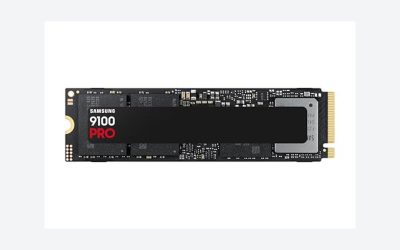
Storage has become almost entirely about NVMe solid-state drives, and for good reason. Game load times, texture streaming, and general system responsiveness all benefit noticeably from fast SSD access. A one-terabyte NVMe drive makes an excellent primary volume for your operating system and a handful of frequently played titles. You can add a larger SATA SSD or traditional hard drive later if you accumulate a big game library. Do not pair a small drive with a high-capacity mechanical backup if you can afford a second SSD instead.
The power supply unit is the component most often underfunded in budget builds, yet it protects every other part in your system. Choose a unit with a reputable brand, an efficiency rating of at least 80 Plus Bronze, and enough wattage headroom above your calculated system draw. A good rule of thumb is selecting a power supply rated at 150 percent of your estimated peak consumption, which keeps the unit operating in its most efficient load range and leaves room for future component upgrades.
Check Compatibility Before You Click Buy
Once you have selected your core components, verify that everything fits together before placing orders. Confirm that your CPU socket matches the motherboard, that your RAM type is supported by both the board and processor, that your power supply has enough connectors for your GPU and drives, and that your case supports your motherboard form factor and GPU length. Spending ten minutes checking these details prevents frustration, return shipping fees, and delayed build days. A few quick searches on forums and review sites will surface any known compatibility issues with your specific combination, ensuring a smooth assembly process and a system that boots on the first attempt.