Key takeaways
- 12 oz cans: 28-32 cans with 20 lbs of ice
- 12 oz longneck bottles: 18-22 bottles with 20 lbs of ice due to neck height and dead air gaps
- 16 oz tallboy cans: 20-24 cans with the same ice load
The best coolers for keeping beer cold are rotomolded hard coolers like the YETI Tundra 45 and Pelican Elite 45 for maximum ice retention at tailgates and camping, wheeled coolers like the YETI Tundra Haul and Igloo Trailmate Journey 70 for parties where you need to move 50+ beers without carrying, and soft coolers like the YETI Hopper Flip 18 and RTIC Day Cooler for portability when you only need a 12 to 24-pack cold for a few hours.
Beer has specific cooler requirements that water or food does not: cans and bottles waste space differently, you need fast access without dumping ice, and cold retention matters more than freeze prevention. The right choice depends on how many beers you need, how long you need them cold, and how far you have to carry them.
Our top picks
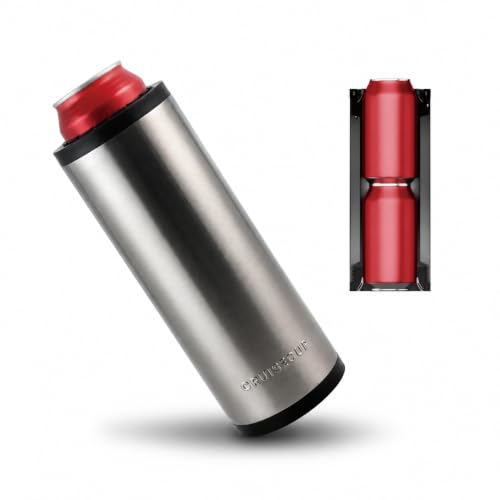


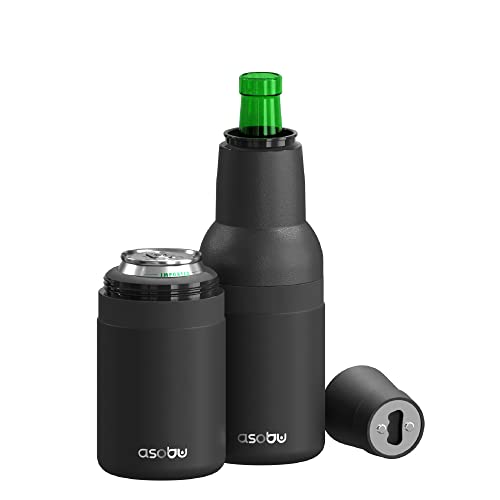
As an Amazon Associate we earn from qualifying purchases at no extra cost to you. Ratings are shown as listed on Amazon.
Can vs. Bottle Capacity: Why Advertised Quarts Are Misleading
Cooler capacity in quarts does not translate directly to beer capacity. A 45-quart cooler will not hold 45 one-quart bottles. Cans pack efficiently, bottles do not, and ice takes up 30-50% of your usable space if you want beer to stay below 38°F.
For a rotomolded 45-quart cooler, expect these real-world numbers with a 2:1 ice-to-beer ratio for cold retention:
- 12 oz cans: 28-32 cans with 20 lbs of ice
- 12 oz longneck bottles: 18-22 bottles with 20 lbs of ice due to neck height and dead air gaps
- 16 oz tallboy cans: 20-24 cans with the same ice load
If you primarily drink bottles, size up one cooler class. A 45-quart cooler that is perfect for a 30-pack of cans will only hold about a case of bottles and still keep them fully iced. Tall, narrow coolers like the Coleman Steel Belted 54-quart handle bottles better than low, wide rotomolded chests because you can stand bottles upright without stacking.
For parties and tailgating where people grab their own beer, a wide opening and low height matters more than total quarts. You can reach the bottom without digging. Soft coolers and 45-quart class hard coolers are ideal for access; 65-quart and larger models often require you to unload half the cooler to reach beers at the bottom.
Spec and Feature Comparison: Top Cooler Types for Beer
| Model / Type | Internal Volume | Empty Weight | Real Beer Capacity (12oz Cans + Ice) | Insulation & Wall Construction | Ice Retention (with 2:1 Ice Ratio, 80°F Ambient) | Drain & Access |
|---|---|---|---|---|---|---|
| YETI Tundra 45 (Rotomolded Hard) | 45 qt / 42.6 L | 23 lbs / 10.4 kg | 26-28 cans + 20 lbs ice | 3″ PermaFrost polyurethane in walls/lid, rotomolded polyethylene | 4-6 days | Threaded drain plug, wide T-latch lid |
| Pelican Elite 45 (Rotomolded Hard) | 45 qt / 42.6 L | 26 lbs / 11.8 kg | 26-28 cans + 20 lbs ice | 2″ polyurethane, freezer-grade gasket, polyethylene shell | 4-5 days | Push-button drain, press-and-pull latches |
| Igloo Trailmate Journey 70 (Wheeled) | 70 qt / 66.2 L | 31 lbs / 14.1 kg | 48-54 cans + 30 lbs ice | Ultratherm insulated body/lid, elevated insulated base | 3-4 days | oversized drain plug, telescoping handle + 10″ wheels |
| Coleman 316 Series 45 Wheeled | 45 qt / 42.6 L | 12.5 lbs / 5.7 kg | 28 cans + 15 lbs ice | TempLock FX polyurethane, blow-molded HDPE | 1.5-2 days | Channel drain, telescoping handle |
| YETI Hopper Flip 18 (Soft) | 18 qt / 17 L | 4.1 lbs / 1.9 kg | 16-18 cans + 10 lbs ice (or 6 lbs ice + 12 cans) | Closed-cell foam, DryHide shell, HydroLok zipper | 18-30 hours | No drain, wide-mouth zipper opening |
| RTIC Day Cooler 30 Can (Soft) | 30 can / ~28 qt | 4.8 lbs / 2.2 kg | 30 cans + 8-10 lbs ice | Closed-cell foam, nylon shell, water-resistant zipper | 18-24 hours | No drain, dual zipper top |
| Stanley Adventure 30 Can (Soft Backpack) | 30 can / ~28 qt | 3.9 lbs / 1.8 kg | 30 cans + 7 lbs ice | Foam insulation, polyester shell | 12-18 hours | No drain, roll-top access |
Rotomolded coolers dominate ice retention because of 2-3 inches of pressure-injected polyurethane and a true freezer-style gasket. Injected-molded and blow-molded coolers like the Coleman 316 use thinner insulation to save weight and cost, which cuts retention by 50% or more. Soft coolers trade retention for weight savings of 18-20 pounds, which matters if you are walking to a campsite, beach, or stadium lot.
Ice Retention and Insulation: What Actually Keeps Beer Cold
For beer, you want to maintain 33-38°F, not just keep ice from melting completely. Two factors matter more than brand marketing: pre-chilling and ice type.
How to Maximize Retention
- Pre-chill the cooler and the beer overnight. A warm cooler wall can melt 5-8 lbs of ice in the first 4 hours alone. Fill it with sacrificial ice or cold water the night before, drain, then reload.
- Use block ice plus cubed ice. A 10 lb block on the bottom with 10-15 lbs of cubed ice to fill air gaps around cans keeps beer colder longer than all cubes, and reduces the cold water bath that dilutes drainage.
- Keep the cooler out of direct sun and off hot asphalt or truck beds. Elevate it on a blanket or wood. The bottom is the thinnest insulation point on most wheeled coolers.
- Limit lid openings to under 10 seconds. Each full opening at 80-90°F ambient can cost 30-45 minutes of retention on a soft cooler and 2-3 hours on a hard cooler over a full day.
In practical terms: a rotomolded 45 will keep beer at serving temperature for a full 3-day camping weekend on one load of ice if managed well. A wheeled 70-quart with thinner walls will need an ice top-off on day 2. A soft cooler will not make it through a second hot day without fresh ice, but it will keep a 12-pack cold from noon to late evening without issue.
Drainage: When to Drain and When Not To
Do not drain meltwater if you want beer to stay coldest. Cold water at 32-34°F chills cans faster than ice alone. Drain only when water level rises above the beer and makes cans hard to grab, or when weight becomes an issue. Rotomolded coolers have slow, threaded drains that let you control water level without tipping. Soft coolers have no drain at all – you have to tip and pour, which is why overfilling them with ice makes access difficult.
For tailgating and parties, a cooler with a tethered, leak-proof drain plug positioned low on the sidewall is preferable. You can attach a short hose or drain into a bucket without moving the cooler. Cheap coolers with small, high-mounted drains force you to tilt a 60+ lb loaded cooler to empty it.
Portability and Real-World Access for Three Scenarios
1. Backyard Party or BBQ: Prioritize Capacity and Access
Best fit: 65 to 75-quart wheeled hard cooler. You are not carrying far, so weight is less important than capacity and one-handed access. A long, low cooler like the Igloo Trailmate or Coleman wheeled series lets guests flip the lid without moving other items and grab a beer without digging. Look for a lid that stays open at 90 degrees and telescoping handles that do not rattle loose. General market range for this class: $80 to $350 depending on rotomolded vs. injection-molded construction.
2. Camping (2-4 Days): Prioritize Ice Retention and Durability
Best fit: 45 to 65-quart rotomolded hard cooler with non-slip feet and bear-resistant latches. You will drive to camp, so 23-35 lbs empty weight is acceptable. The thick gasket and latches prevent warm air intrusion and keep wildlife out. Avoid wheels on soft ground – they sink and clog. A 45-quart fits a 30-rack of cans plus food for two people for a weekend if you use block ice efficiently. General market range: $250 to $400 for this class.
3. Tailgating or Beach Walk-In: Prioritize Carry Weight and Speed
Best fit: 18 to 30-can soft cooler or backpack cooler. You may carry for 0.5 to 1 mile in heat. A 20 lb loaded soft cooler is manageable on a shoulder strap; a 50 lb loaded hard cooler is not. Choose a model with a wide U-shaped zipper rather than a small top zipper – you can see and grab any beer without unpacking. Ice retention of 12-24 hours is sufficient for a single-day event. General market range: $60 to $280.
Decision Matrix: Match Your Situation to the Right Cooler
| Your Situation | Best Cooler Type | Why | Trade-off |
|---|---|---|---|
| Budget under $150, occasional use, mostly backyard | Injection-molded wheeled 45-62 qt (Coleman, Igloo Latitude) | Lowest cost, wheels included, good enough for 24 hours | Re-buy ice daily, latches and hinges wear first |
| Need cold beer for 3+ days without resupply | Rotomolded 45-65 qt (YETI Tundra, Pelican Elite, ORCA) | 4-6 day retention, durable gasket, holds ice in heat | Heavy and expensive, overkill for single-day use |
| Carrying beer more than 10 minutes on foot | Soft cooler or backpack cooler 18-30 can | Under 5 lbs empty, shoulder carry, fits in trunk easily | Limited to 12-30 cans, 1-day retention only |
| Large group (40+ beers) and flat pavement | Wheeled rotomolded or premium wheeled (YETI Haul, Trailmate 70) | Moves 70+ lbs easily, holds temp for multi-day events | Bulky to store, wheels struggle on sand/gravel |
| Mix of bottles and cans, want upright storage | Taller 54-quart steel or 45-quart with removable tray/basket | Bottles stay upright, prevents breakage and fizz | Less efficient packing for cans |
Worked Example: Ice and Cost Per Beer for a 48-Hour Trip
Scenario: You need 36 beers cold from Friday evening to Sunday noon in 85°F weather.
Option A – Rotomolded 45-quart: Load 30 lbs of ice (one 10 lb block + 20 lbs cubes at roughly $2.50 per 10 lb bag). Total ice cost: ~$7.50. One load lasts the full trip if you pre-chill. Cost per beer for ice: $0.21. No mid-trip ice run.
Option B – 45-quart injection-molded wheeled: Same initial load, but retention is ~36 hours. You will need 10-15 lbs more ice on Saturday afternoon: +$3.75. Total ice: ~$11.25. Cost per beer: $0.31 plus the time to find ice.
Option C – Soft 30-can cooler: Holds 18 beers max with 10 lbs ice. You need two soft coolers or two ice cycles. Total ice: 20-30 lbs over two days: ~$7.50-$11.25, but you must reload on Saturday. The convenience cost is weight savings versus retention.
Over a summer of 10 weekends, the rotomolded cooler saves roughly $30-$40 in ice and 5-10 ice runs compared to a budget molded cooler, which offsets part of the higher upfront price if you camp often.
Durability and Ownership Realities
What wears out first is not the shell. On hard coolers, the gasket and latches fail before the body. Rinse the gasket after each trip and avoid yanking T-latches at an angle. On budget coolers, hinges are often integrated plastic – they crack after 2-3 seasons of sun exposure. Rotomolded models with metal hinge pins last significantly longer but add weight.
On soft coolers, the zipper is the failure point. Grit, sand, and dried beer sugar grind the waterproof zipper. Rinse the zipper with fresh water and apply a food-grade zipper lubricant twice per season. Never use bleach inside – it degrades the TPU liner and leaves an odor that transfers to ice.
Common mistakes that ruin ice retention:
- Leaving the drain plug open during use. It creates an air channel that bypasses the gasket.
- Storing the cooler in a hot garage or shed with the lid closed. Trapped heat warps the gasket and breeds mildew. Store dry with the lid cracked.
- Putting warm beer directly on ice. Chill beer in a fridge first – adding a 24-pack of 72°F beer requires an extra 8-10 lbs of ice just to bring it down to serving temperature.
Cleaning: Drain completely, wash with mild dish soap and warm water, air dry fully before closing. For odor, a paste of baking soda and water left for 30 minutes is sufficient. Pressure washers can force water into insulation on budget coolers and should be avoided.
FAQ
Does a bigger cooler keep beer colder longer?
Not always. A half-empty large cooler has more warm air and melts ice faster than a full smaller cooler. Choose a size that will be at least two-thirds full when loaded with beer and ice. If you buy a 70-quart for 12 beers, you will use more ice than a 45-quart with the same load.
Are wheeled coolers as cold as non-wheeled rotomolded models?
Generally no, by 12-24 hours in the same size. Wheels, axles, and telescoping handle housings create thermal bridges and reduce insulation thickness in the base. Premium wheeled rotomolded models close the gap but still add weight and cost.
Can I use dry ice for beer?
Not recommended for cans and bottles. Dry ice at -109°F will freeze and burst beer, and can damage cooler liners not rated for it. Use block and cubed water ice. If you need longer retention, freeze water bottles to use as reusable blocks.